
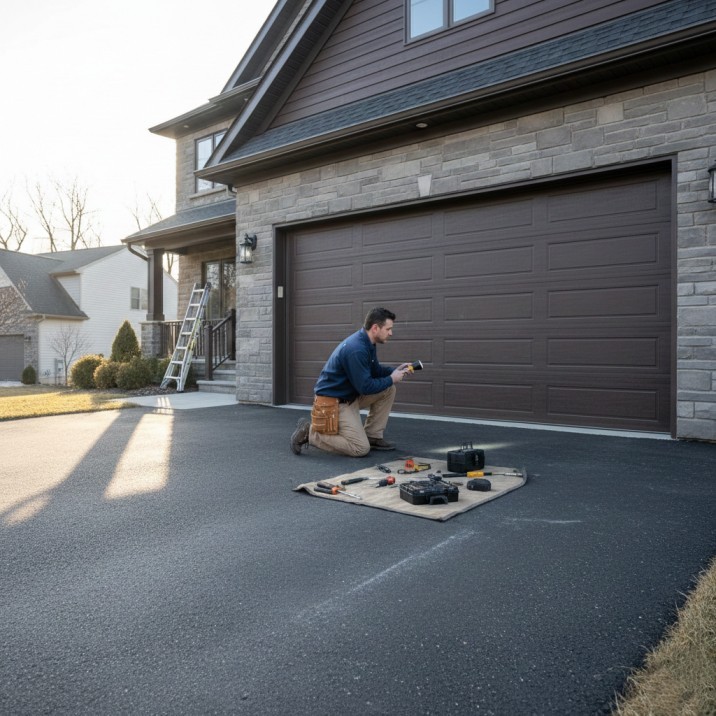
Signs Your Garage Door Needs Repair
What Are the Most Common Signs Your Garage Door Needs Repair?
Answer Capsule: Unusual noises, slow operation, uneven door movement, visible damage, and frequent breakdowns are the five most common signs a garage door needs repair.
Garage doors wear out from daily use. Most doors cycle through 1,500 openings per year, and components like springs, rollers, and cables gradually deteriorate. Catching problems early prevents minor issues from turning into expensive failures or safety hazards.
The signs below represent the most frequent problems homeowners report. Each points to specific component failures that, when addressed quickly, can extend your door’s lifespan and keep it operating safely.
Need service in Morristown? Garage Door Repair in Morristown, NJ
What Do Unusual Garage Door Noises Mean?
Answer Capsule: Grinding, squeaking, or banging noises usually indicate worn rollers, loose hardware, or opener strain that requires prompt garage door repair.
Different sounds mean different problems. Grinding typically comes from rollers with worn bearings trying to move along the tracks. This metal-on-metal friction damages both the rollers and the tracks over time.
Squeaking often means hardware has loosened, letting parts shift and rub during operation. Hinges, brackets, and bolts can work loose from vibration, especially in doors opened multiple times daily.
Banging or popping sounds may mean spring problems. Torsion springs under excessive tension can make sharp popping sounds as they wind or unwind. This noise sometimes comes right before spring failure—a situation that makes the door extremely heavy and potentially dangerous to operate.
Service data shows worn rollers account for roughly 60% of noisy door inspections. In most cases, replacing rollers and tightening hardware fixes the noise and prevents track damage.
Why Is My Garage Door Slow or Not Responding?
Answer Capsule: A slow or unresponsive garage door is often caused by failing springs, opener motor issues, sensor misalignment, or track resistance.
Response problems fall into two categories: mechanical and electrical. Mechanical issues include worn springs that can no longer counterbalance the door’s weight, forcing the opener motor to work harder. This extra load slows operation and can burn out the opener motor.
Track resistance develops when rollers wear out or tracks become misaligned. The door still moves but needs more force, resulting in slower operation. Dirt, debris, or rust in the tracks makes this worse.
Electrical issues often involve the opener itself. Motors wear out after years of use, capacitors fail, and circuit boards develop problems. Sensor misalignment is common—if the photo-eye sensors don’t align properly, the door won’t close or may reverse unexpectedly.
Remote control problems usually come from weak batteries, interference from other devices, or the need to reprogram the opener. Wall switches can fail because of wiring issues or worn contacts.
Same-day help in Morristown: Schedule garage door repair in Morristown
Why Does a Garage Door Sag or Look Uneven?
Answer Capsule: A sagging or uneven garage door usually signals spring imbalance or cable wear, which increases strain on the opener and creates safety risks.
Garage doors should sit level when partially opened. If one side hangs lower than the other, the door is out of balance. This happens when springs lose tension unevenly or when one spring weakens faster than its counterpart.
Cable problems also cause unevenness. Lift cables attach to the bottom corners of the door and wind around drums as the door opens. If a cable frays, stretches, or comes loose, that side of the door drops lower than the other.
An unbalanced door puts excessive strain on the opener. The motor works harder to lift the heavier side, leading to premature opener failure. The door also puts uneven pressure on tracks and rollers, speeding up wear on those components.
Balance test: Disconnect the opener and manually lift the door halfway. A properly balanced door stays in place. If it drops or rises, the springs need adjustment or replacement.
When Does Visible Garage Door Damage Require Repair?
Answer Capsule: Dents, cracks, or rust that affect door alignment, panel strength, or sealing indicate structural damage that should be professionally repaired.
Not all damage needs immediate repair, but certain types compromise safety and function. Dents that prevent smooth operation by interfering with rollers or tracks need attention. Even small dents near roller attachment points can cause binding.
Cracks in door panels weaken structural integrity. Horizontal cracks across a panel show stress from impact or age. These cracks let moisture inside insulated doors, reducing R-value and potentially causing rust in steel doors.
Rust has different urgency levels. Surface rust on steel doors is cosmetic and can be treated with rust remover and paint. Rust that pits the metal or creates holes compromises the door’s strength and security. Rust on springs is particularly concerning—corroded springs are more likely to break suddenly.
Weather stripping damage allows air, water, and pests into the garage. Cracked or missing bottom seals let water pool inside during rain. Damaged side and top seals reduce energy efficiency and can let small animals enter.
Bottom panel damage from backing into the door when closed is common. If the damage prevents the door from sealing properly or interferes with sensor operation, repair becomes necessary rather than optional.
How Often Is Too Often for Garage Door Repairs?
Answer Capsule: If a garage door needs repairs more than once a year, aging components may be failing, making replacement more cost-effective long term.
Repair frequency shows overall system health. A well-maintained garage door might need service every 3 to 5 years for routine wear items like rollers and weatherstripping. More frequent repairs suggest multiple components reaching end of life at the same time.
Cost comparison matters. If annual repair costs exceed 50% of a new door’s price, replacement makes financial sense. Tracking repair expenses over time reveals patterns—three repairs in 18 months often signals the start of cascading failures.
Age plays a role in this calculation. Doors approaching 15 to 20 years old typically need more frequent repairs as springs, cables, and rollers wear out together. At this point, repairing one component may be followed quickly by failures in others.
Installation data shows that about 40% of replacement doors come from homes where the previous door needed two or more repairs within 12 months. These homeowners often report that replacement eliminated ongoing maintenance headaches and improved reliability.
Modern doors offer improved insulation, quieter operation, and better security features. When repair frequency increases, these benefits may justify replacement even if the old door could still be repaired.
What Garage Door Problems Are Safety Hazards?
Answer Capsule: Broken springs, frayed cables, off-track doors, and malfunctioning auto-reverse sensors are immediate safety hazards requiring professional repair.
Spring failures top the safety concern list. Torsion springs store enough energy to cause severe injury if they break while someone is nearby. Extension springs can become projectiles if a cable breaks while the spring is under tension.
Frayed or damaged cables can snap suddenly, causing the door to fall. A falling garage door weighs 150 to 400 pounds depending on size and material—enough to cause serious injury or death. Cables show wear through fraying, rust, or separation of individual wire strands.
Off-track doors create multiple risks. The door may fall unexpectedly, or it may jam partway up, creating a crush hazard. Trying to force an off-track door back into place can make the problem worse and risk injury.
Photo-eye sensor malfunctions prevent the door from detecting obstructions. These sensors should reverse the door if anything interrupts the beam while closing. Testing sensors monthly by placing an object in the door’s path helps make sure they work properly.
Auto-reverse mechanisms detect resistance when the door contacts something while closing. If this feature doesn’t work, the door continues closing with enough force to injure people or pets. Testing involves placing a 2×4 board flat under the door—it should reverse immediately upon contact.
When Should a Garage Door Be Repaired vs Replaced?
Answer Capsule: Repair makes sense for single-component failures in doors under 15 years old, while replacement suits doors with multiple issues or those approaching 20 years of age.
Several factors influence this decision. Door age is primary—doors under 10 years old are usually worth repairing unless damage is extensive. Doors over 20 years old often make replacement more economical, especially when you factor in improved energy efficiency and features.
Extent of damage matters. A single broken spring or worn rollers justify repair. Multiple simultaneous problems—worn springs, damaged panels, failing opener, and rusted hardware—often cost nearly as much to repair as replacement would cost.
Cost comparison should include long-term considerations. A $400 repair on a 15-year-old door may buy only 2 to 3 more years before other components fail. That same $400 applied toward a $1,200 replacement gets you a new door with a 15 to 20 year lifespan.
Cosmetic preferences sometimes drive replacement. Even if a door works adequately, upgrading for curb appeal during home renovations makes sense. New doors offer wider style selections, better insulation values, and features like smartphone connectivity.
Safety improvements in modern doors include better auto-reverse systems, stronger cables, and improved spring containment. If your current door lacks these features, replacement may give you peace of mind beyond simple functionality.
Professional Garage Door Repair and Replacement
Recognizing when your garage door needs attention prevents minor problems from becoming expensive failures. Unusual noises, slow operation, visible damage, and frequent repairs all mean it’s time for professional inspection.
Professional garage door services provide:
- Comprehensive inspection of all door components
- Safe spring replacement and cable repair
- Opener repair and replacement
- Track alignment and roller replacement
- Custom door installation
- 24/7 emergency service availability
Morristown service details: Garage Door Repair Morristown, NJ

Leave a Reply